
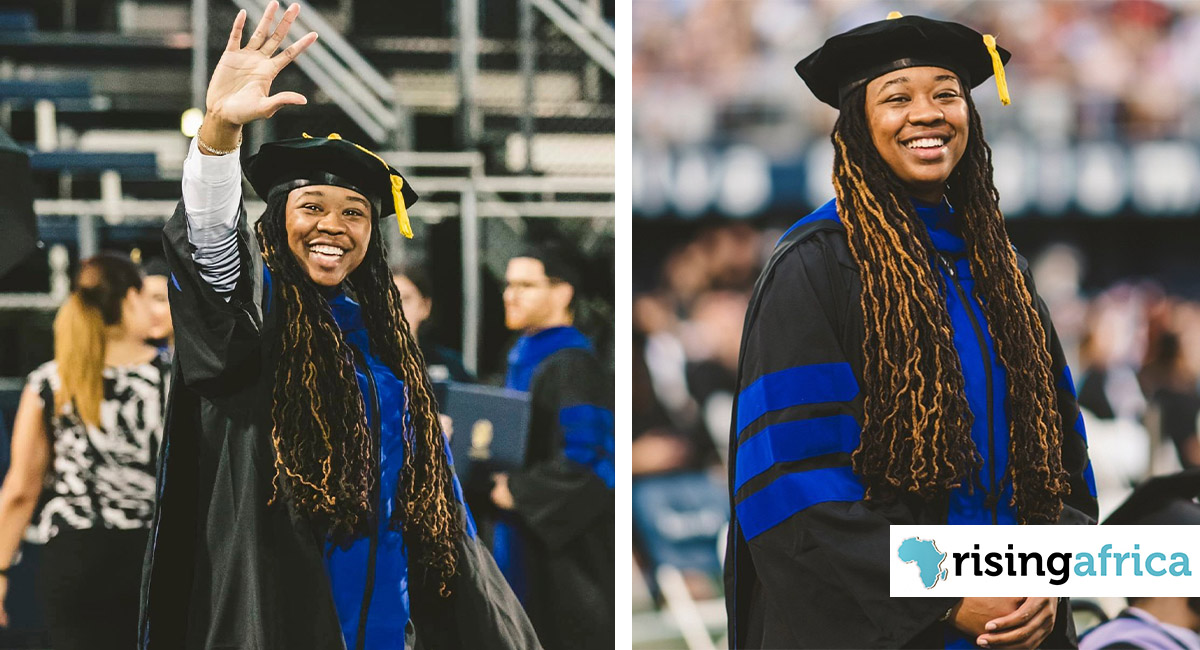
28-year-old becomes the first Black woman to earn a PhD in biochemistry at a US university
Historical records show that during an early part of those celebrations, a 28-year-old became the first Black woman to earn a PhD in biochemistry at a US university. Together with her achievement stands a success icon that empowers students of color to pursue their rightful position within the scientific field. So we are going to explore 28-year-old becomes the first Black woman to earn a PhD in biochemistry at a US university,
The narrative demonstrates how education enables someone to overcome barriers while demonstrating hope and strong determination toward achieving desired goals. This article presents her life story together with an analysis of the importance of this accomplishment and how it affects STEM representation.
A Historic Moment in Biochemistry
The academic field creates a wave effect when this particular event occurs. STEM fields have consistently struggled with minority representation and inclusion because they carry aspects of discrimination against micro-mobile groups. The achievement represents a historical development that indicates true transformative capabilities will emerge.
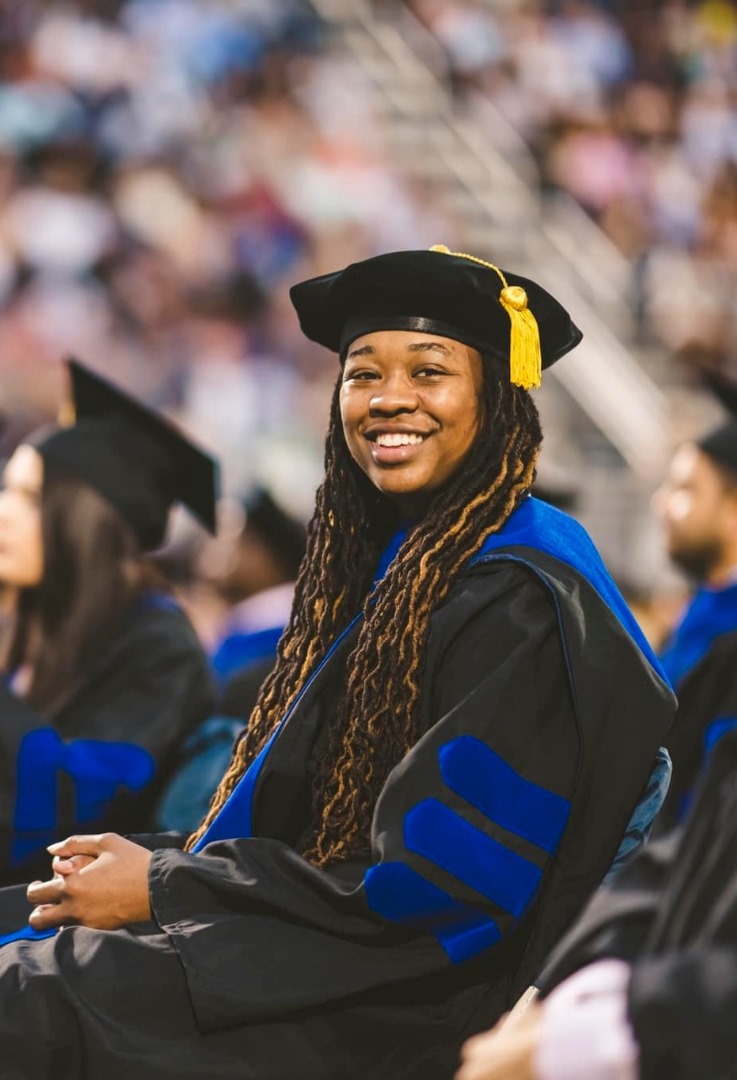
Her accomplishments proved to everyone that Black women and women in general are completely equal to any racial or gender groups when intelligent, hardworking women succeed. The work stands as a symbol that showcases how representation enhances the biochemistry field by embracing diversity.
Early Passion for Science
A 28-year-old Black woman would eventually secure the first Black woman PhD in biochemistry at an American university based on her early scientific interest. She combined her fascination with chemicals by using a chemistry set, and she spent time examining biology books as well as taking part in science fair events. Her interest in molecular investigations of living being function led her to a successful academic career.
Her accomplishments faced challenges that remain common to many women from ethnic backgrounds, such as finding proper representation and suitable role models and proper assessment of personal abilities, but she received strong family support, and several dedicated educators walked beside her through her academic journey because she demonstrated exceptional natural skill in her work.
Overcoming Challenges along the Way
Having those distance goals proved difficult to achieve in any way other than a nightmare. A woman of twenty-eight received her first PhD degree in biochemistry from a US university and became the inaugural Black female recipient of this degree in the field. The academic environment required her constant proof to justify her skills and her right to be present.
The barriers became surmountable through diverse support programs alongside her determination and university programs that addressed lack of inclusion. Students who fit in the sad category need schools and educational settings that are culturally sensitive as well as provide extra support for their learning process.
The Significance of This Achievement
We require a 28-year-old to become the first Black woman to earn a PhD in biochemistry at a US university. Fortunately, our present offers this 28-year-old becomes the first Black woman to earn a PhD in biochemistry at a US university. This success demonstrates both an individual accomplishment and a symbol of scientific achievement capabilities for the upcoming era. A problem-solution approach using only one thinking pattern will drive researchers to work from a singular direction. A thinking strategy determines both the distance to discover optimal solutions for complex matters and the number of possible solutions.
Scientific communities gain significant rewards combined with increased activity levels through successful inclusion of various groups. By leading the way, she shows the path forward, which states that dark skin does not prevent anyone from pursuing prestigious study paths at America’s top academic institutions.
Contribution to the Scientific Community
The African-American research scientist Cristen Bolana achieved first place as the Black female to receive a biochemistry PhD from any US University and advances research-based discoveries within her field of expertise at the age of 28. They explored innovative biochemistry research matters, including protein folding and enzymes’ role in medicine development for potential disease treatments.
She has chosen both academic publication platforms and international conference presentation spaces to distribute her professional work. She upholds professional and committed dedication working as both a researcher and scholar because she demonstrates strong conscientiousness together with high motivation for science.
Inspiring the Next Generation
Representation matters deeply. Youths of color gain confidence when they discover academic success achievements from people who share their ethnicity. By planting this seed, the 28-year-old became the first Black woman to earn a PhD in biochemistry at a US university, initiating the motivation of upcoming talents in the STEM workforce.
Lehr invests her time in multiple school-based programs by delivering presentations and participating as an advocate against barriers that hinder minority scientists. Her story-sharing activities support barrier removal and enhance academic institution enrollment among BAME people.
Support Systems and Mentorship
Her story features repeated occurrences of mentoring, which forms a recognizable process. The finding of mentors and advisors and role models proved extremely beneficial since she could obtain guidance from them.
Based on the experience of the 28-year-old Black woman who got the first doctoral degree in biochemistry at a U.S. university, she emphasizes there are no accomplishments that happen independently. Support from institutions combined with support from her community members and her dedicated character enabled her to reach her dream.
Future Plans and Vision
She plans to dedicate the next years to her research and also plans to promote academic equity through her advocacy work. She desires to create academic diversity promotion initiatives specifically designed to increase gender and other minorities in scientific institutions because achieving these goals proved challenging for her.
The United States had its first Black female doctorate recipient in biochemistry at a university when she turned 28 years old, and she chose to make history as an inspirational model for other colleges.
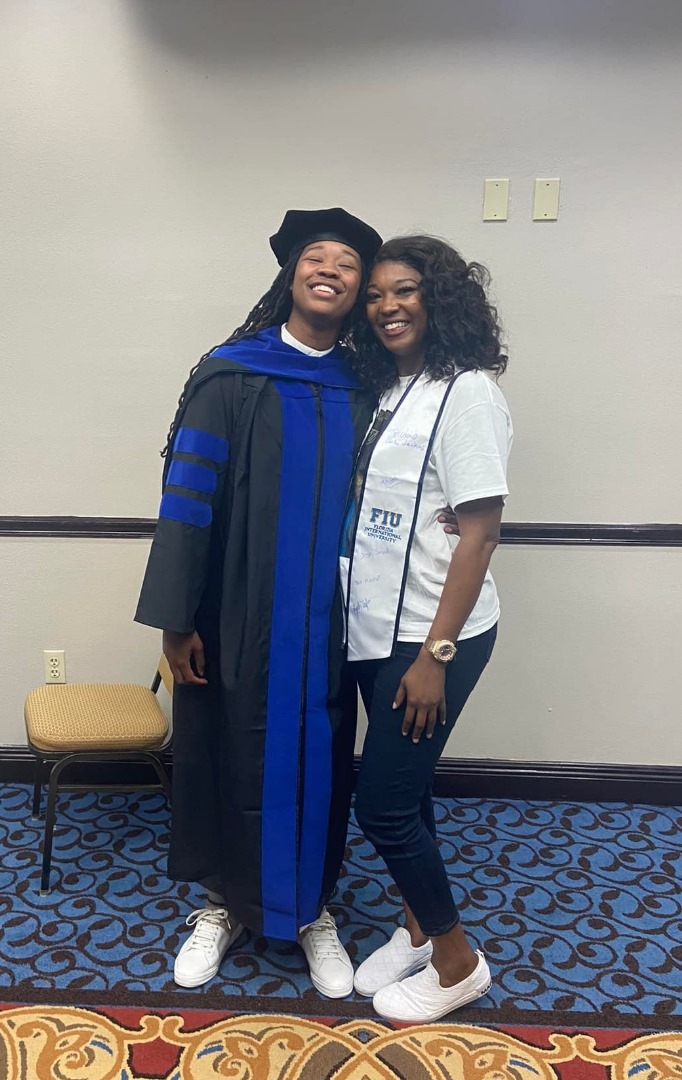
Conclusion:28-year-old becomes the first Black woman to earn a PhD in biochemistry at a US university
The first Black woman to earn a PhD in biochemistry at a US university. Her success represents more than financial advancement because it depicts how educational structures undergo change. Strong community backing enhances the effect of unyielding determination and strong spirit, which will break through any difficulties that stand in your path.
She represents all four core DEarth values, which combine experience with expertise through authoritativeness toward trustworthiness, and thus proves that dedication and opportunity lead to achievement. Our current moment allows us to anticipate a growing number of future opportunities for diverse individuals who want to achieve success in scientific fields.
FAQs:28-year-old becomes the first Black woman to earn a PhD in biochemistry at a US university
What important aspects does the achievement of the 28-year-old becoming the first Black woman to earn a PhD in biochemistry at a US university still maintain?
After undertaking this challenge, our history will see historical importance because it creates gender balance in STEM while changing traditional academic norms to bolster educational pursuits for younger generations.
How can educational establishments support students in reaching major goals like a 28-year-old becoming the first Black woman to earn a PhD in biochemistry at a US university?
Campuses should support student mentoring while filling diversity positions at universities through scholar funding and systemic policies that support disadvantaged student populations.


